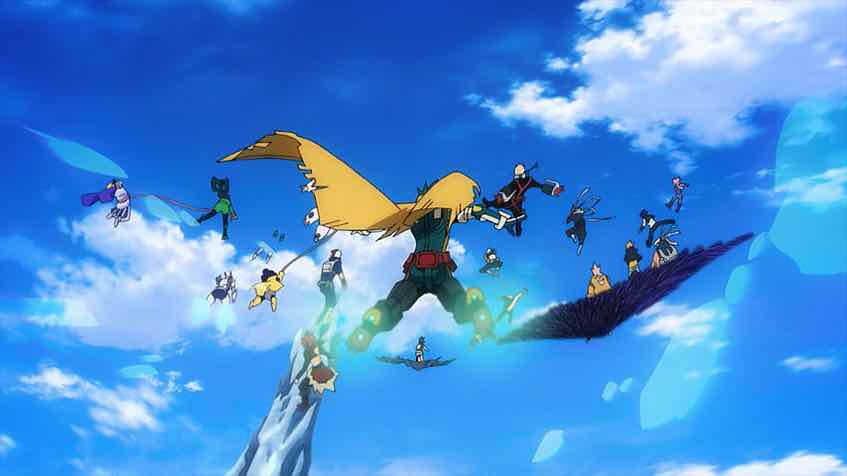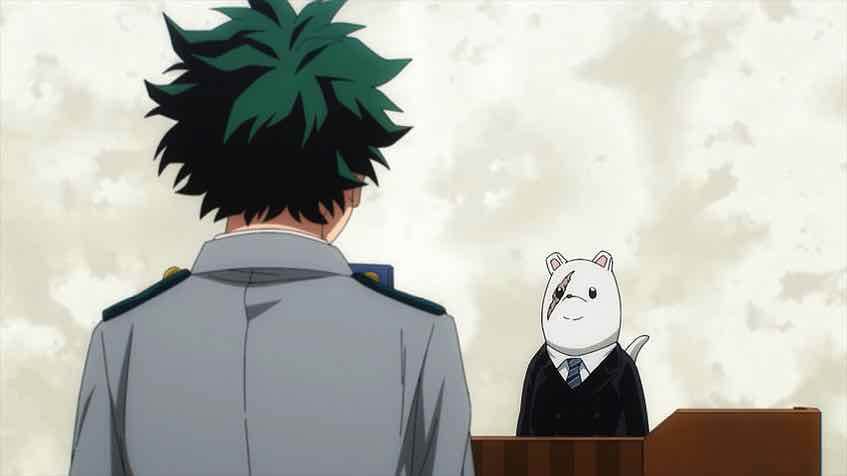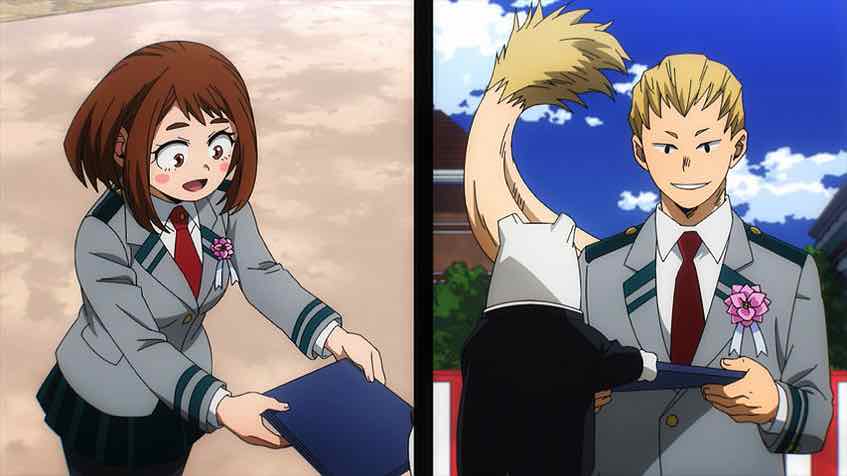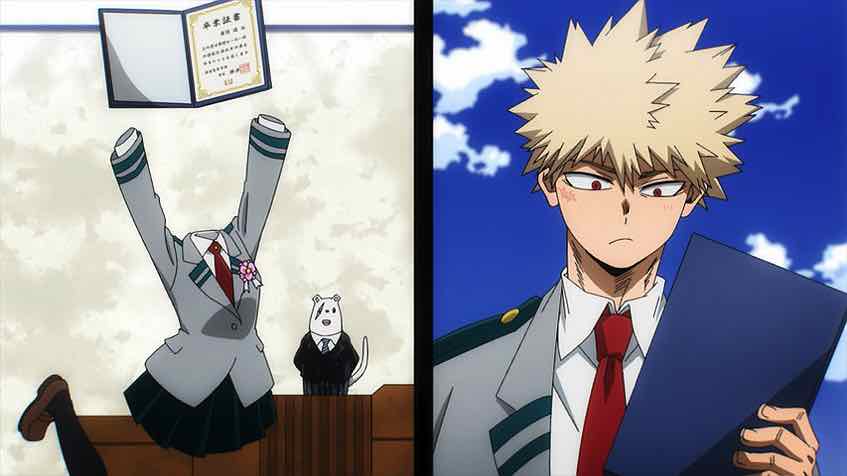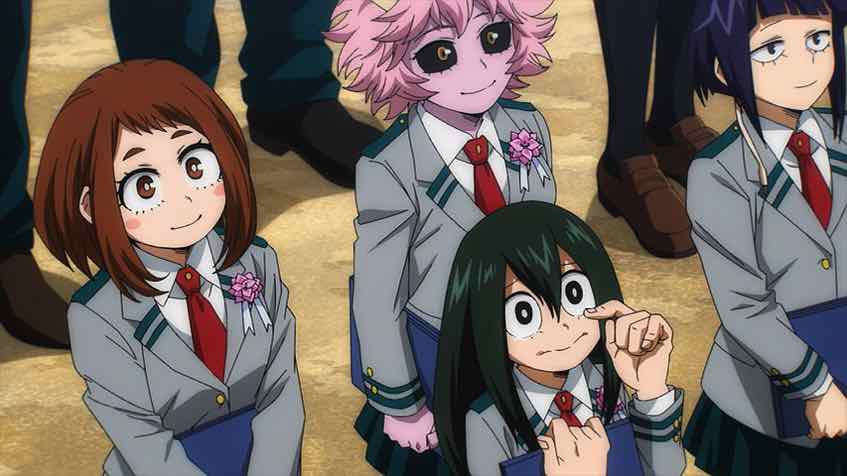

It certainly feels surreal to write that title line. After 170 episodes, the journey has finally come to an end. No one could justifiably have any complaint about the adaptation HeroAca has received. Bones has delivered arguably their signature work (though they have so many that it would definitely be an argument), and one of the great battle shounen of the 21st Century has soared to even greater heights because of that. While there have been a few bobbles along the way, mostly thanks to the theatrical films and the demand they put on the production team, it’s remarkable just how smooth a ride it’s been.
We can talk first, I suppose, about what didn’t happen here. We didn’t get Chapter 431, first of all – the postscript chapter Horikoshi Kouhei published about six weeks after the technical final chapter. I thought they might include the epilogue, but instead the anime embellished the events of Chapter 430 (which Horikoshi called an epilogue in and of itself) considerably. It’ll be interesting to see if #431 ever gets adapted in some fashion – it’s not what I would call totally essential but I do think it adds something to the denouement.
The other thing we didn’t get, of course, is even a mention or acknowledgement – never mind a resolution – of what I always considered the biggest unknown in BnHA. Namely, what the heck is up with Izuku’s father? I’m not surprised Horikoshi didn’t give us an answer, but I am surprised we didn’t at least get an acknowledgement that this big empty space in the mythology exists. Some will consider it unimportant, and it’s not like it’s an essential part of the HeroAca experience for me either. But it did disappoint me to have the series end without a word on the subject.
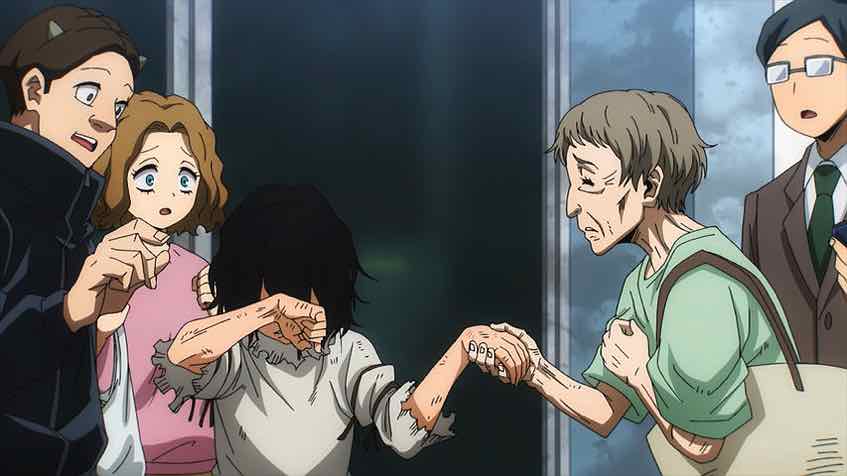
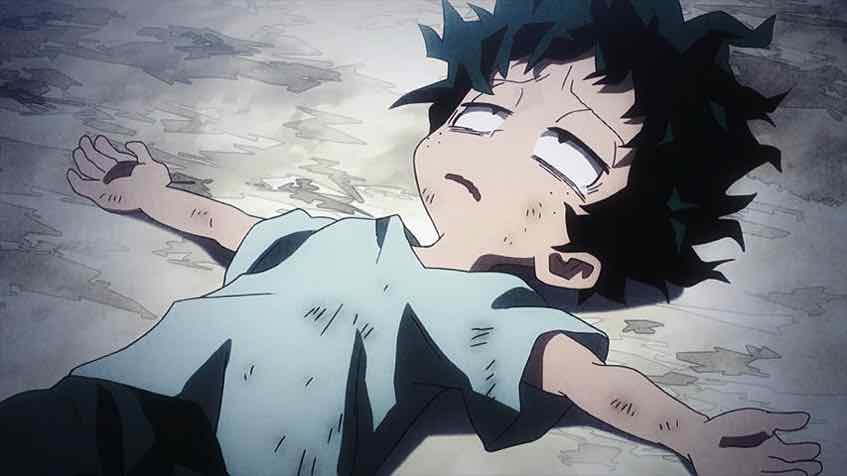
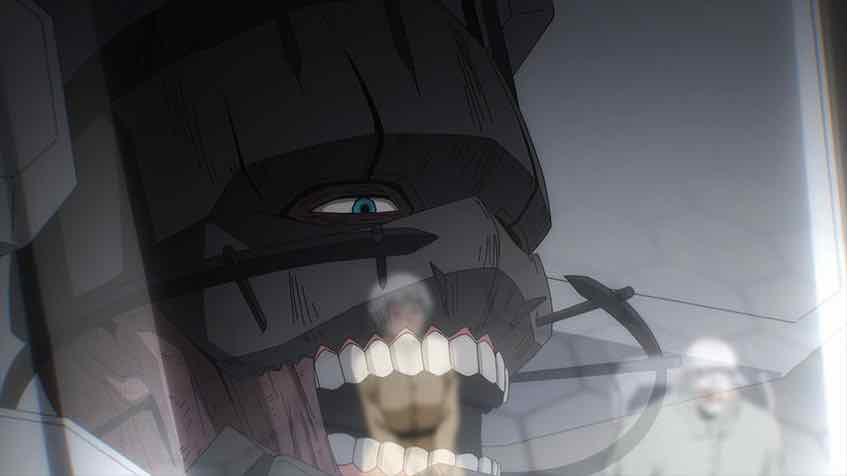
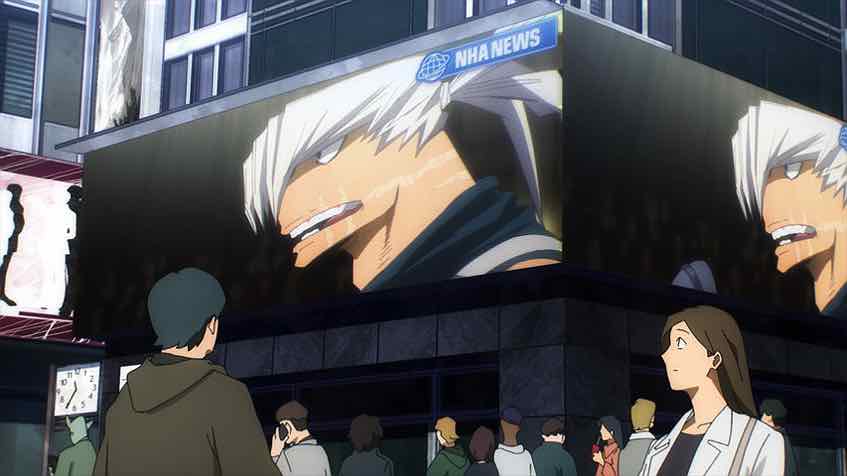
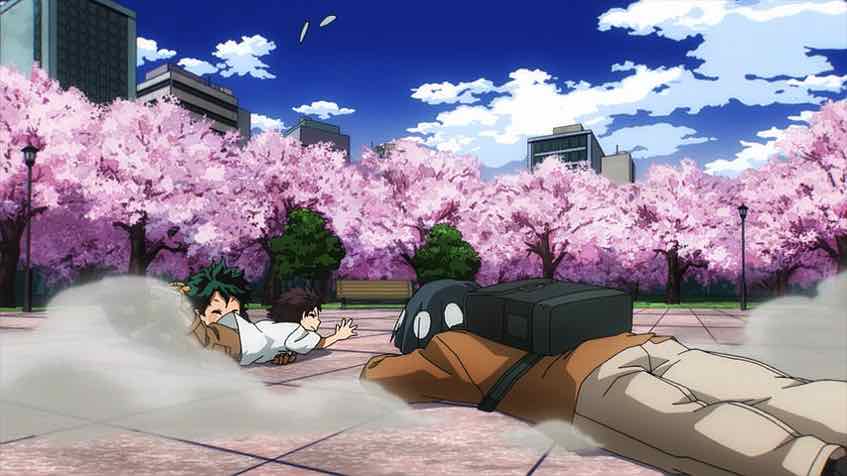
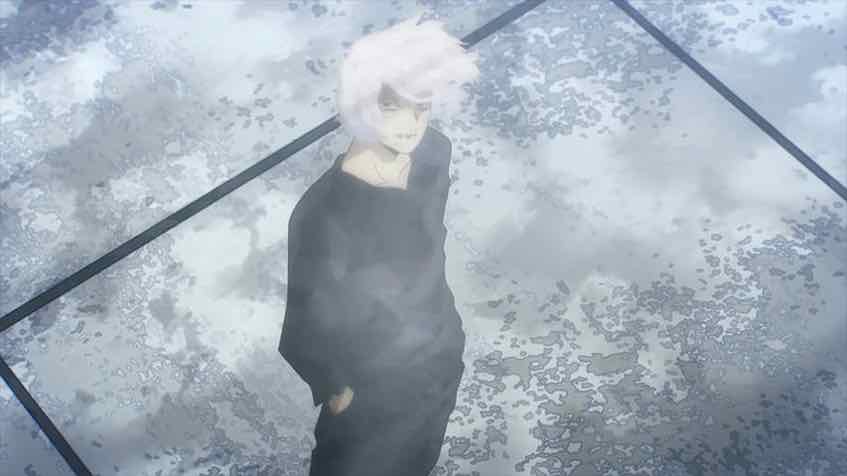
The list of what we did get is of course much longer. And that starts with a proper denouement, Chapter 431 or no. Horikoshi-sensei wisely didn’t rush things. With an action series than runs for a decade, to do so would have been cheating the fans and the series itself. Both in the present and 8 years later, this was an ending full of reflection – much, though not all from Deku’s perspective. Chapter 429 provides the end to the plot proper. It focuses on a young man named Terumoto Kouki (Ishibashi Hiiro) – though I don’t think his name was ever given in the manga or the anime – who reminds one of Shigaraki both in terms of face and situation.
Kouki’s story doesn’t take up much time, really – it’s just meant, I think, to show both that the world has changed and the power that a bare minimum of kindness can wield. The point is that it didn’t require a hero to prevent disaster here – just a granny doing what she regretted not doing once before. And that the meaning of a hero is more complex than the first 428 chapters made it out to be. Heroes look very different in the post-All For One/Shigaraki world, and the system built on heroes-by-name has to adjust to that.
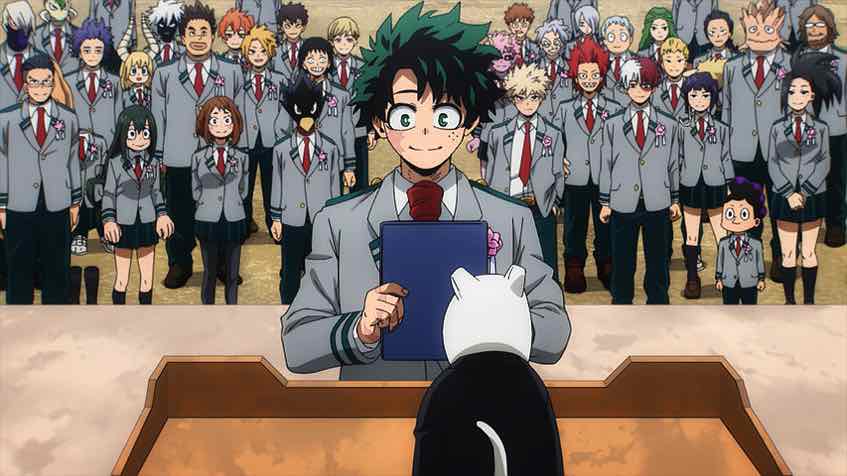
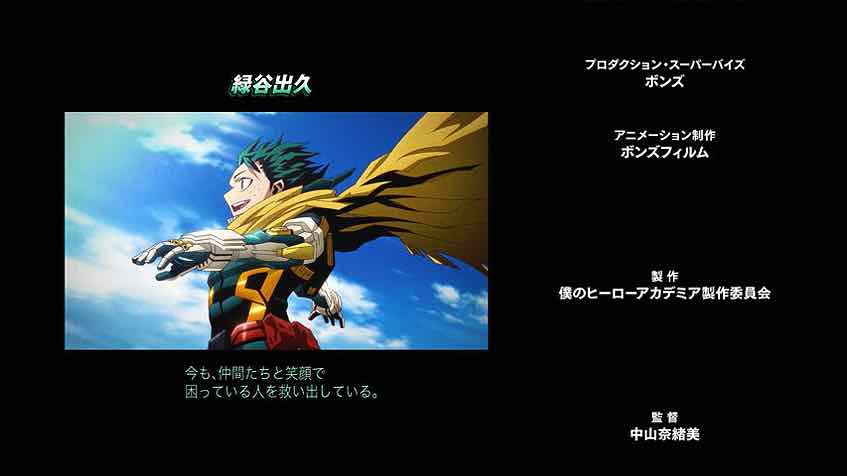
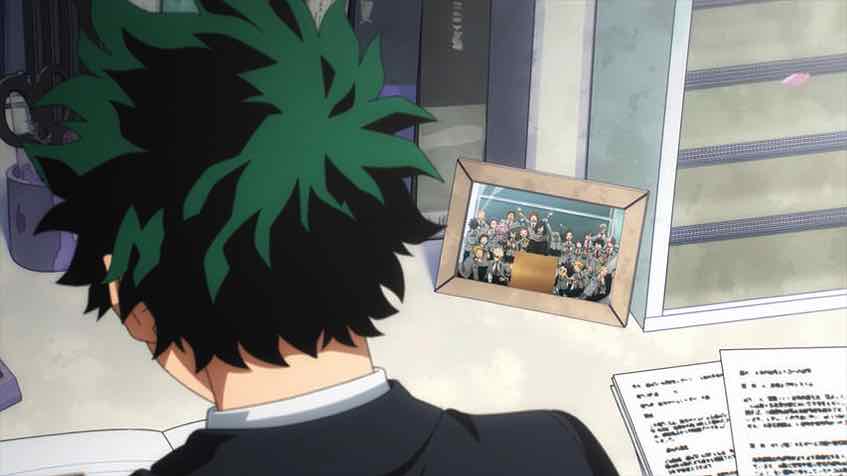
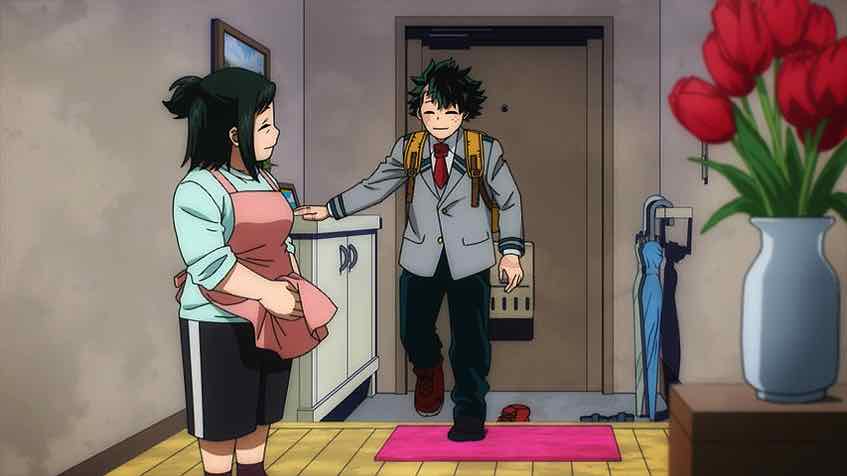
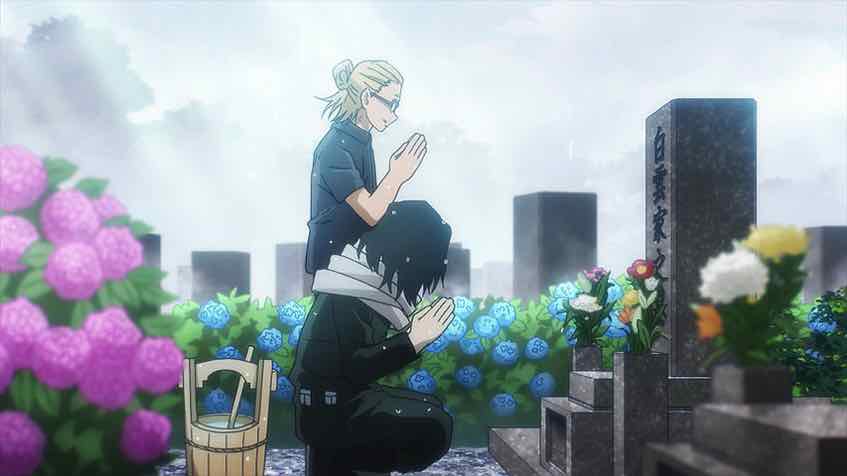
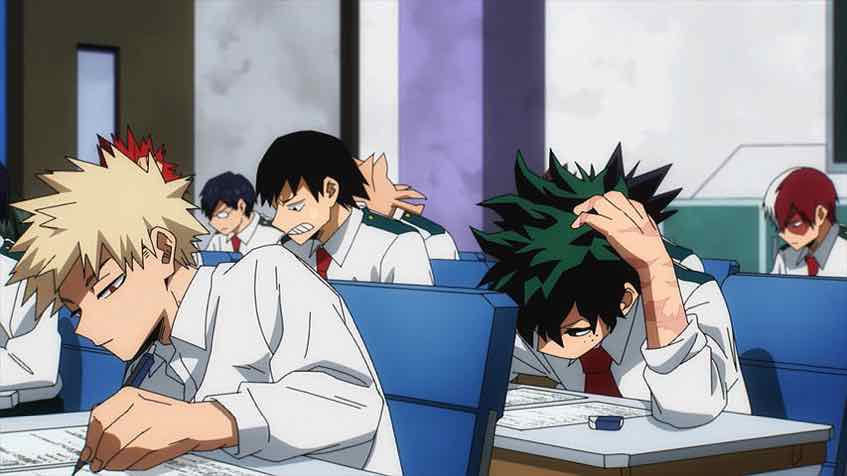
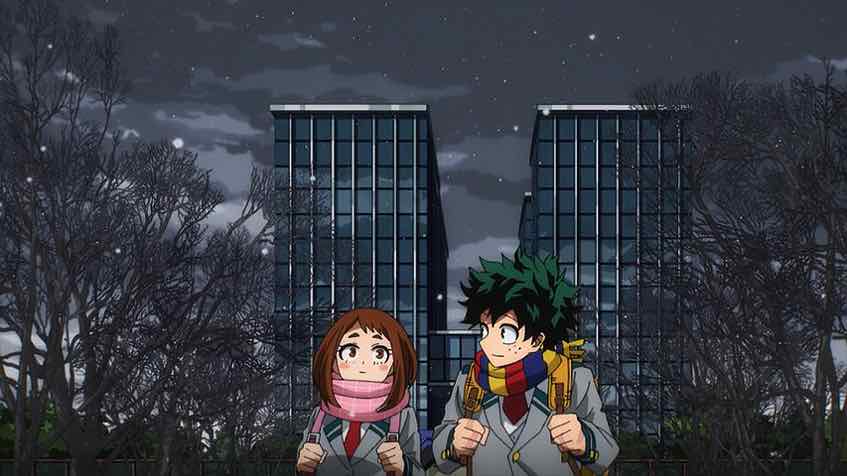
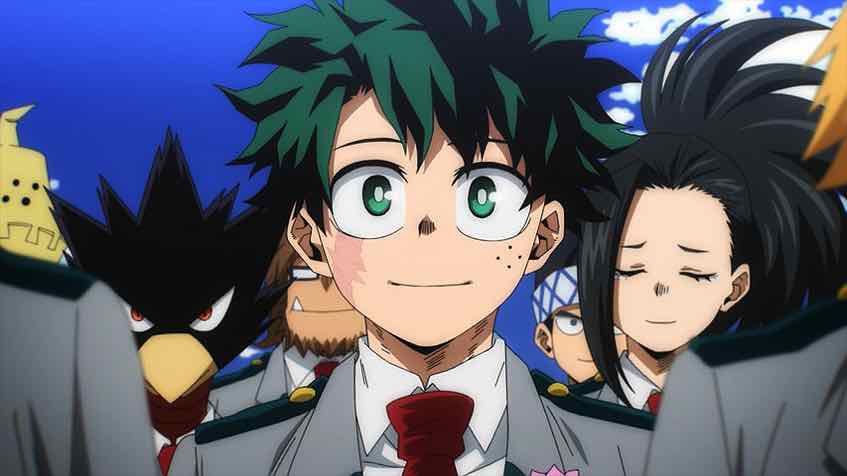
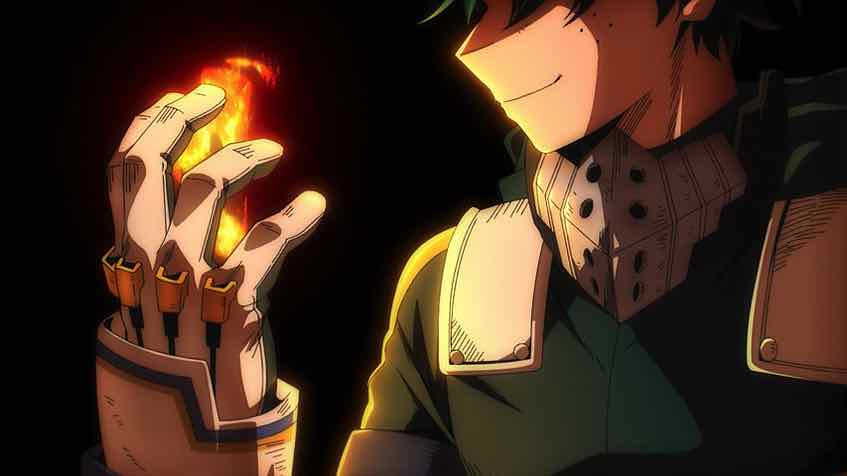
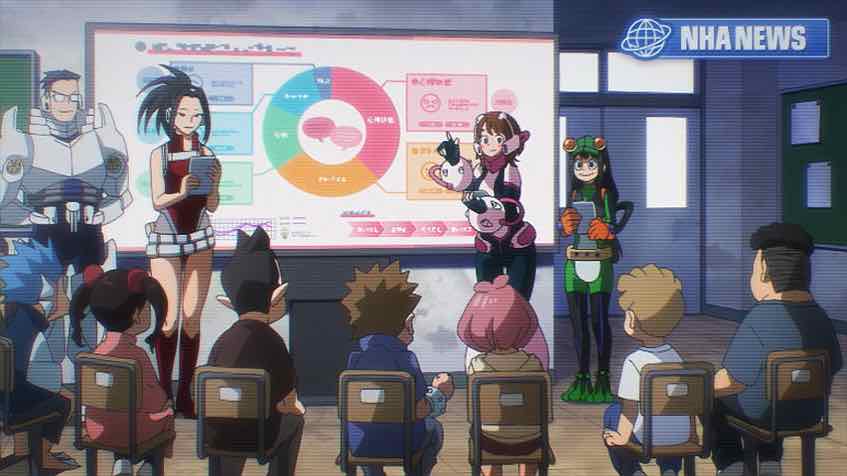
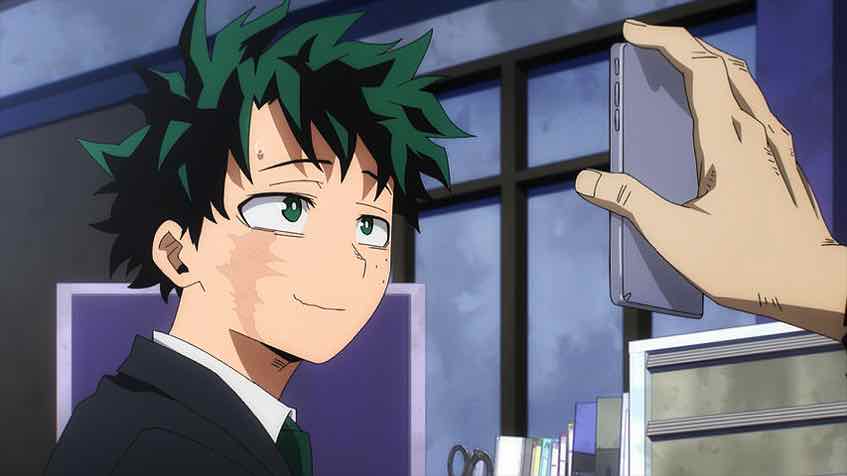
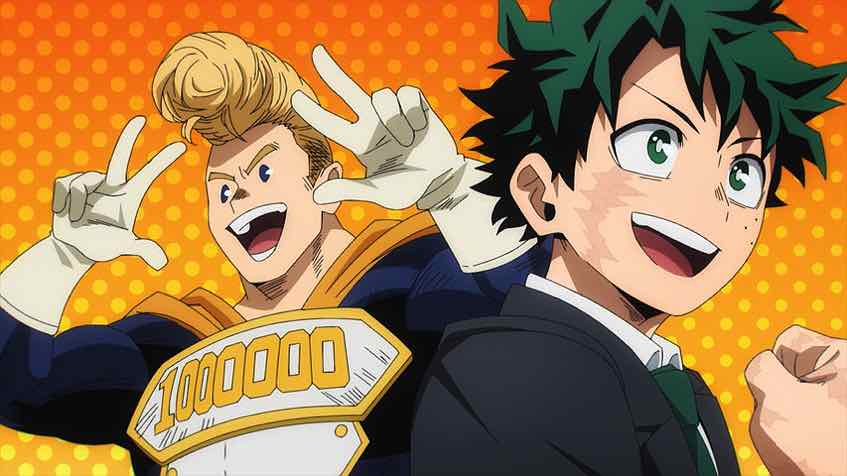
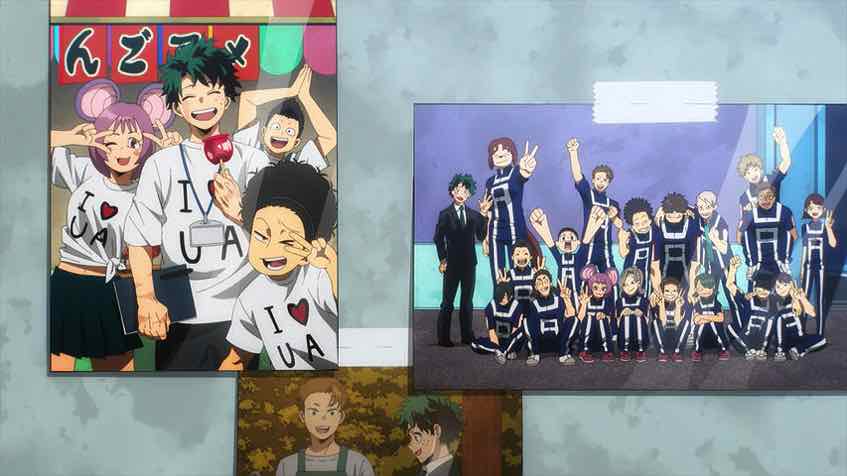
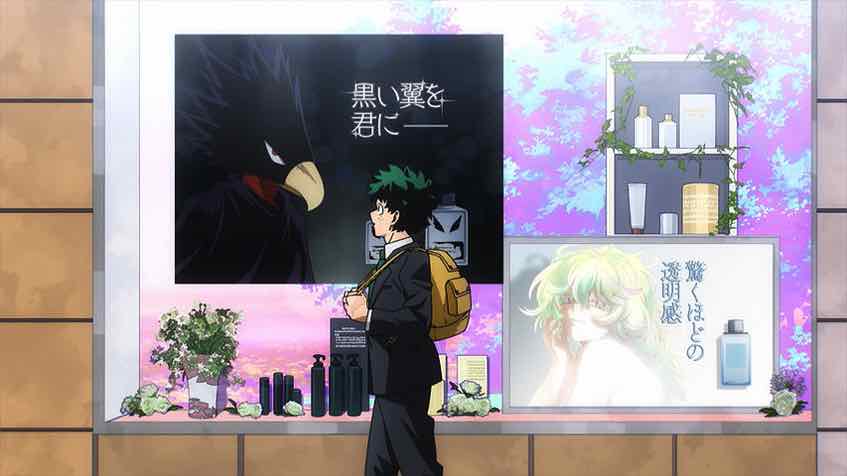
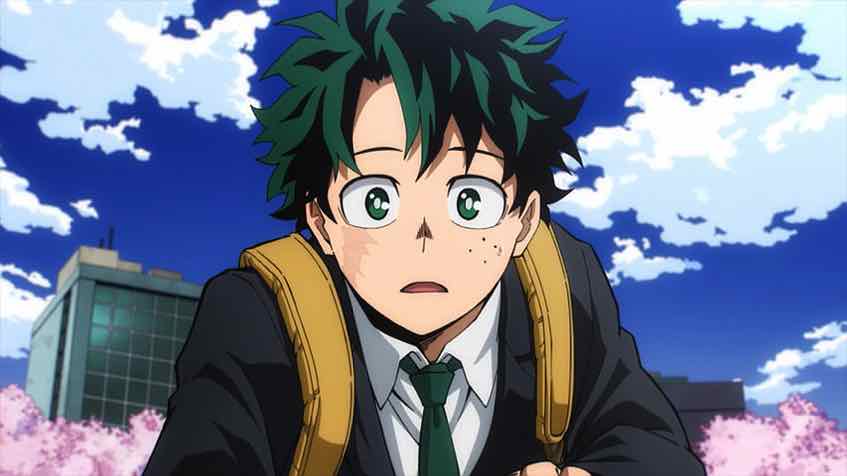
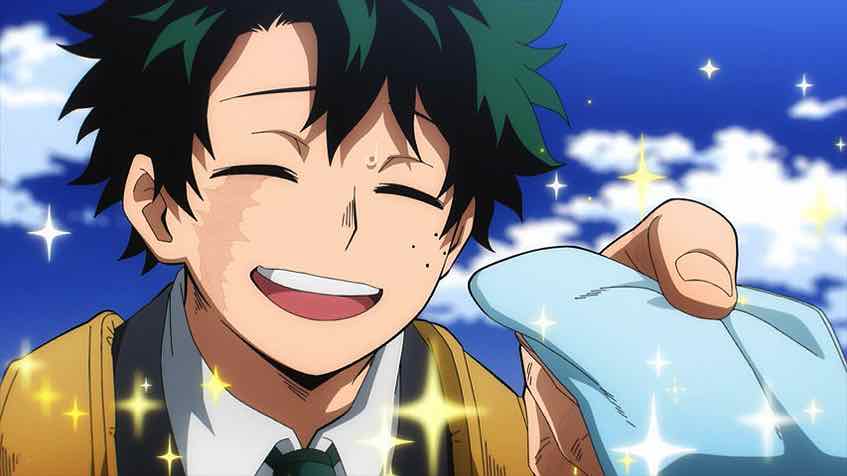
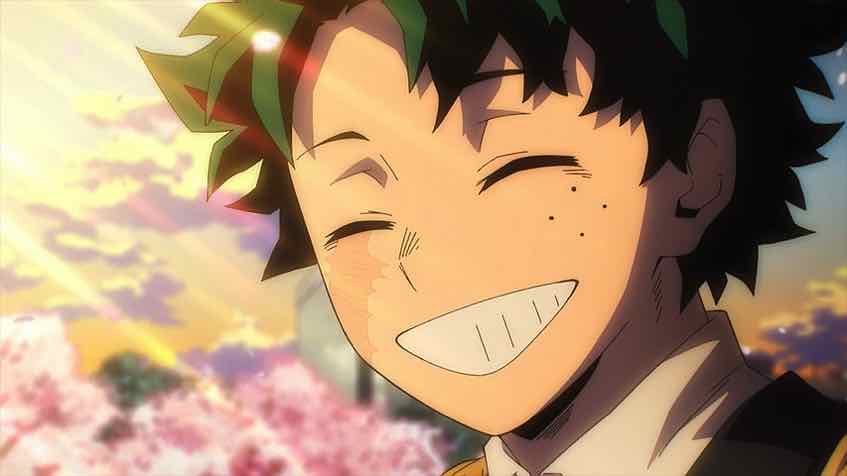
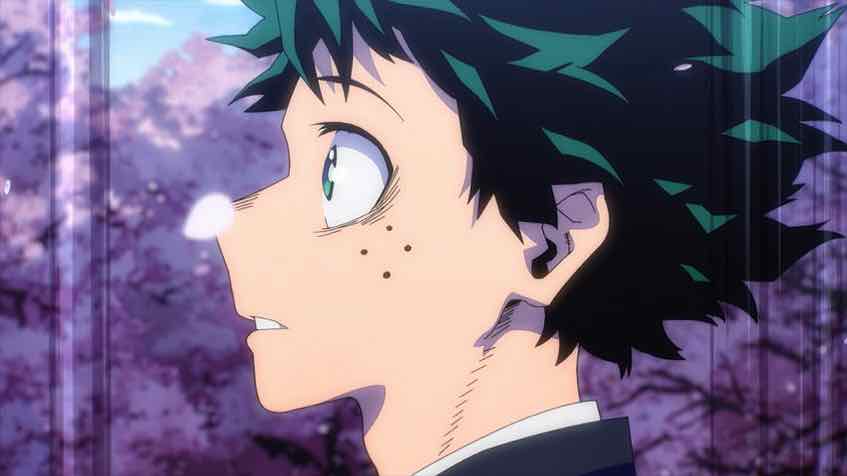
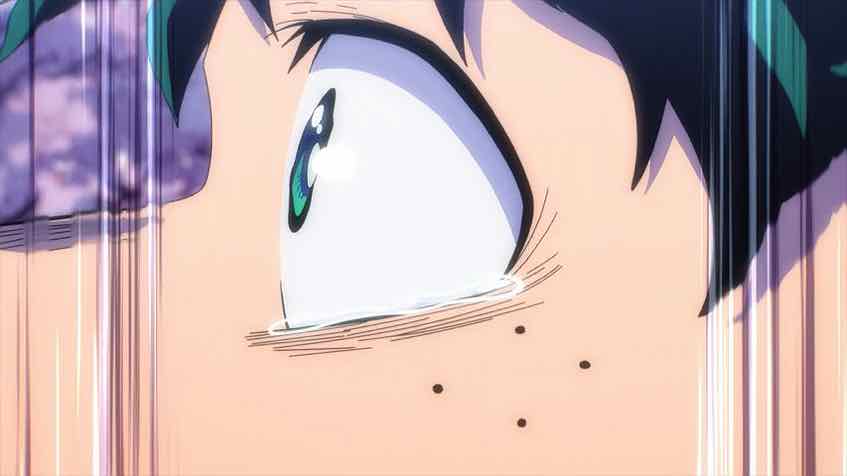
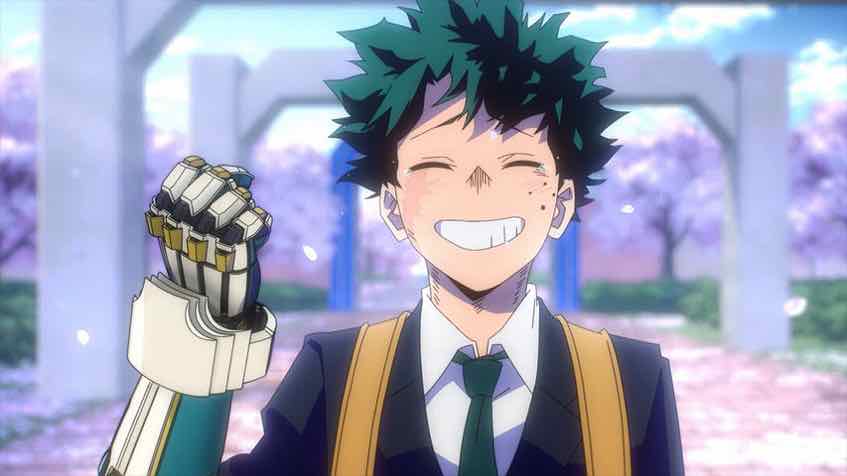
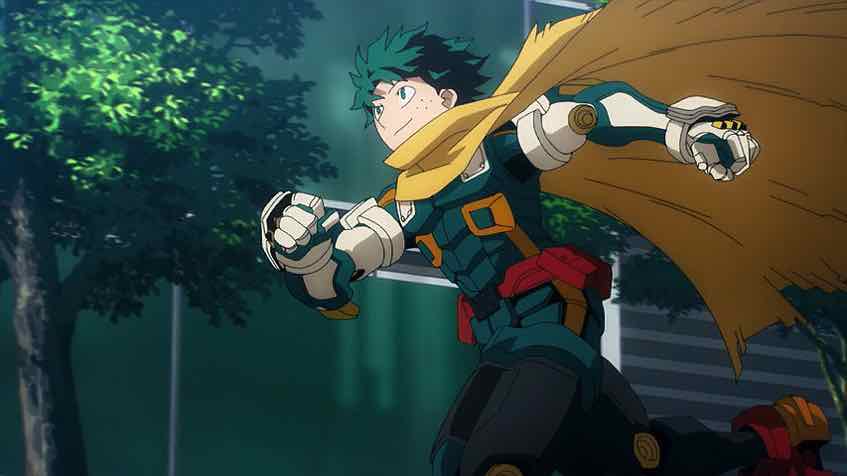
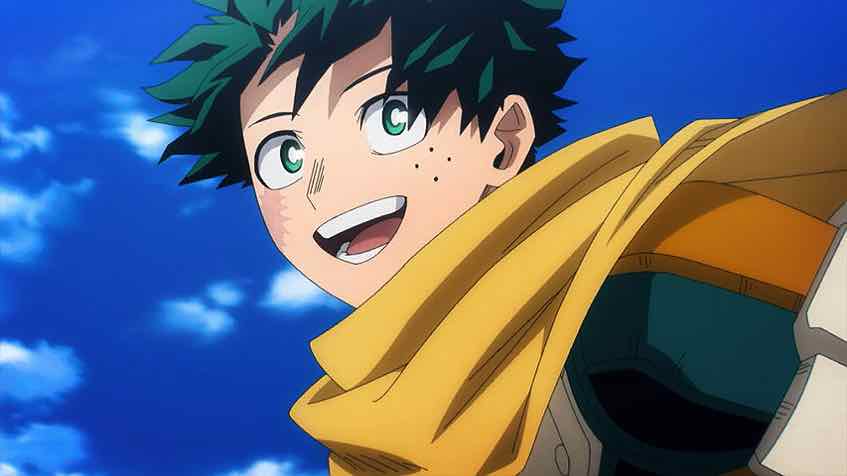
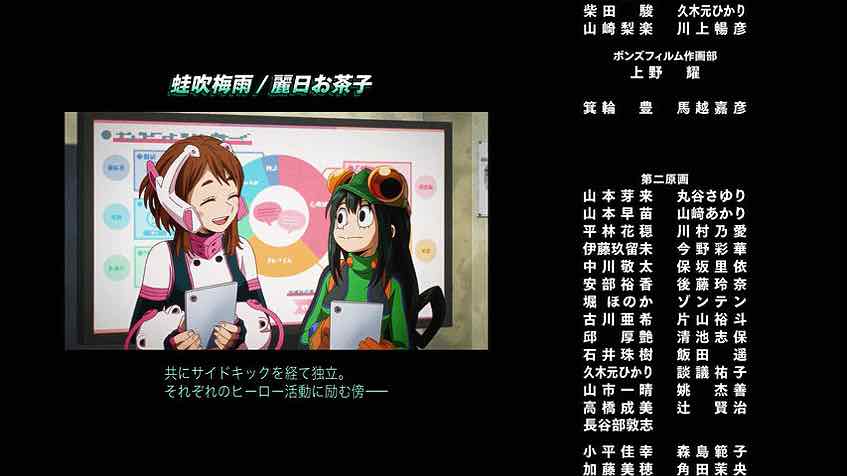
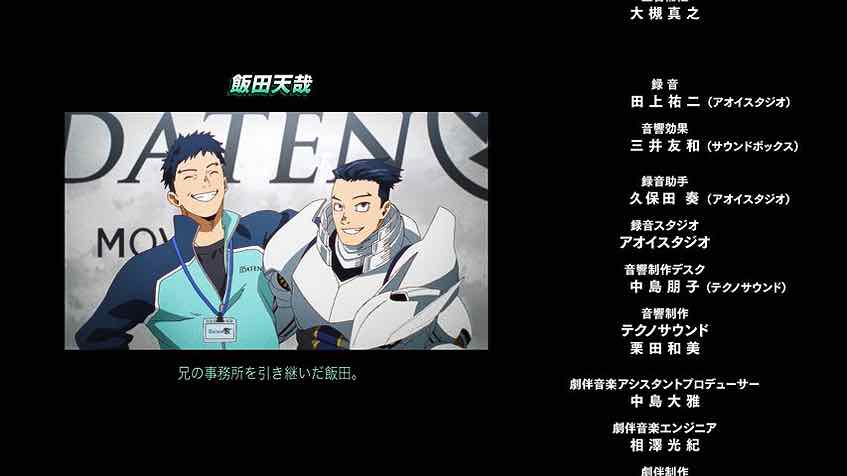
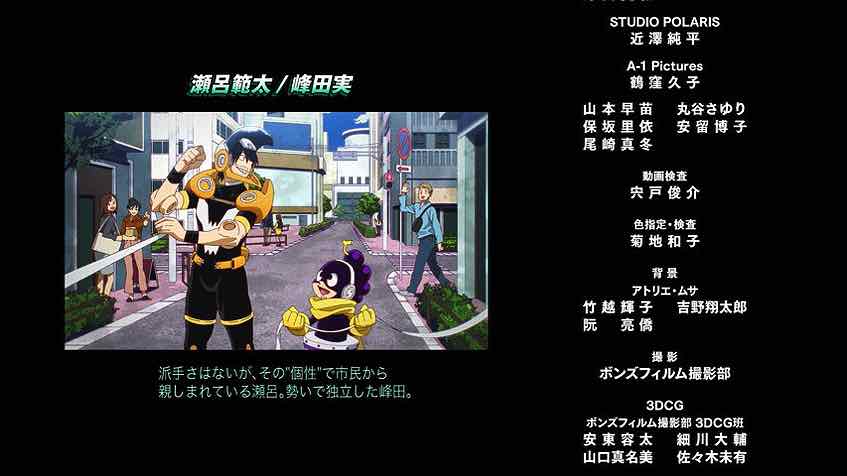
With that things leap forward by eight years – which makes Deku and most of his 1-A classmates 25 years old. We get check-ins on all of them one way or the other – Horikoshi is very diligent about that. But of course it’s Deku himself whose story carries the most weight. He’s made the ultimate sacrifice, in effect giving up his dream in order to save the world. Deku is many things, forever unchanging. And a crybaby is one of them. Yet he’s also someone who sees the positive in everything and tries to smile his way through it. In this case in a manner almost – but not quite – convincing.
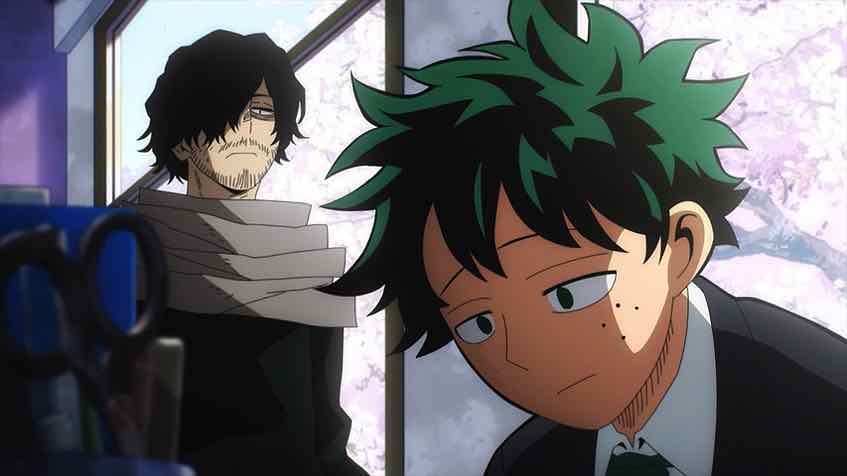
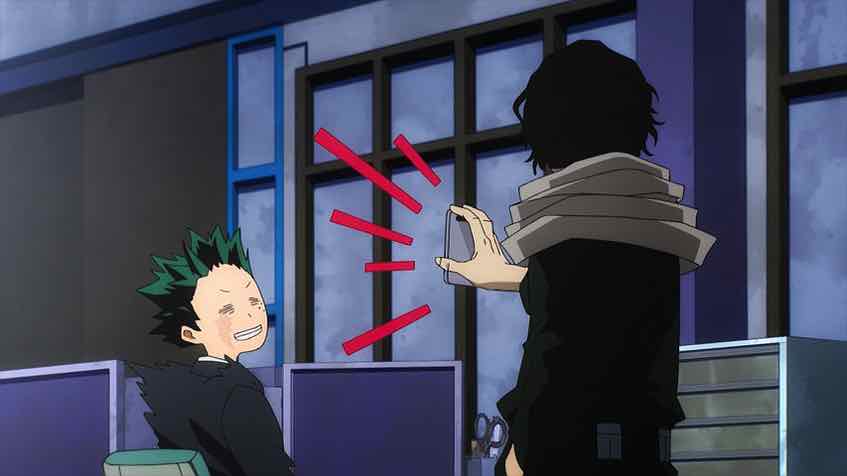
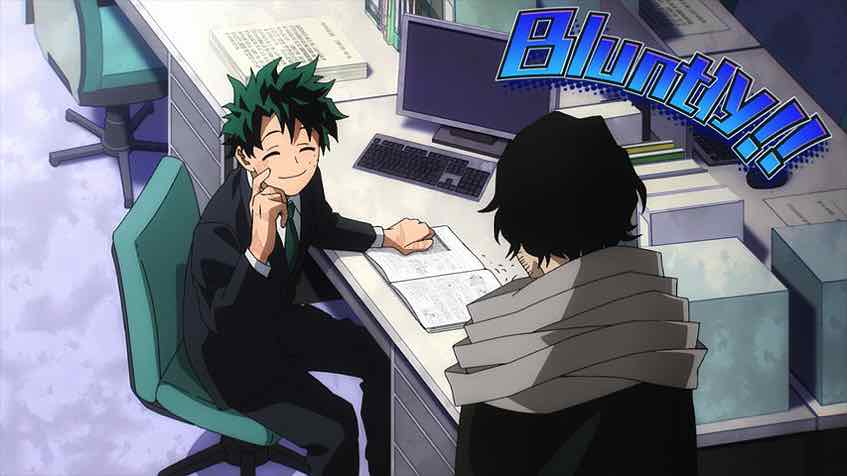
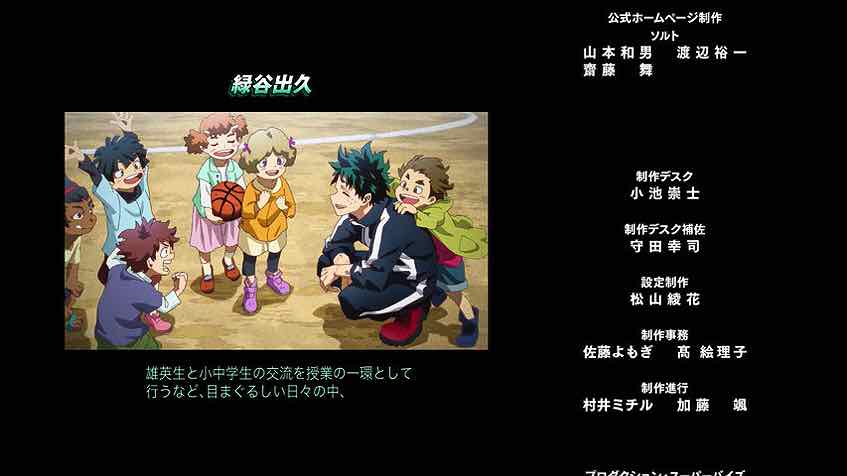
Any way you slice it, this is a pretty bittersweet way to leave things. Izuku as a teacher is certainly a good fit, even if Aizawa-sensei scolds him for being too nice (which, let’s be honest, you know Midoriya-sensei would 100% be). But this was the story, we were told, of how he became the greatest hero. And while he did in a very real sense, it wasn’t how we imagined that phrase playing out. It became everyone’s story, how they all became the greatest heroes. But Deku is behind a desk while his friends make their way in the world, shaping a new idea of what a hero is. And even he admits that hurts him.
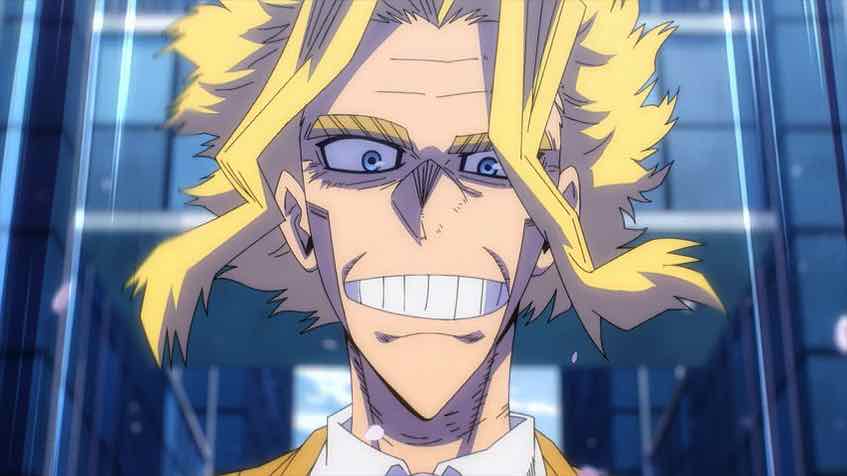
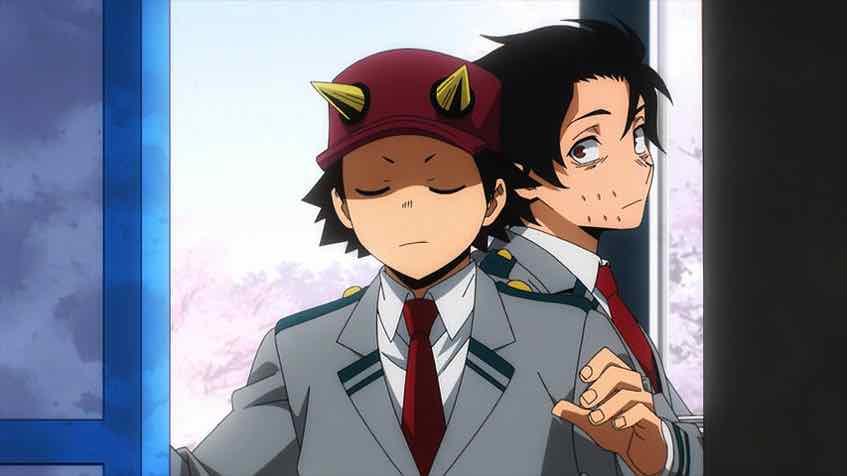
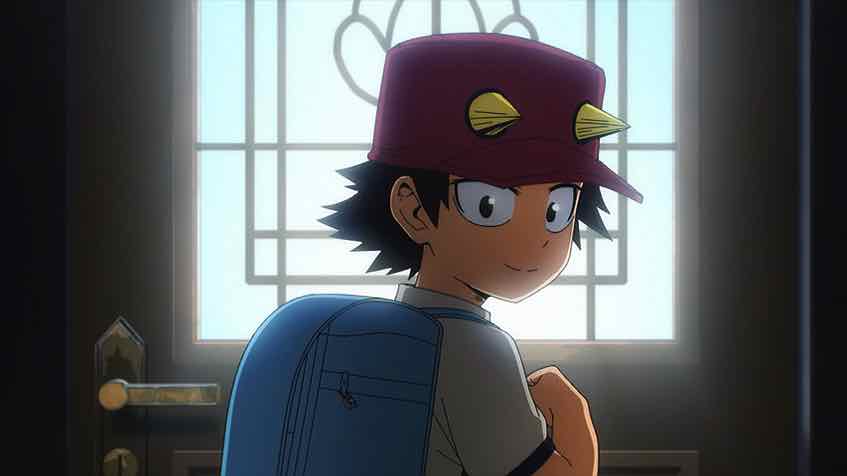
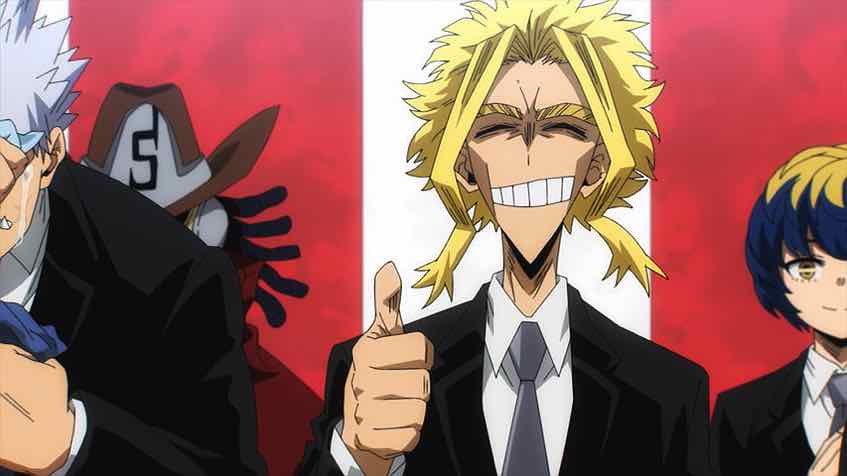
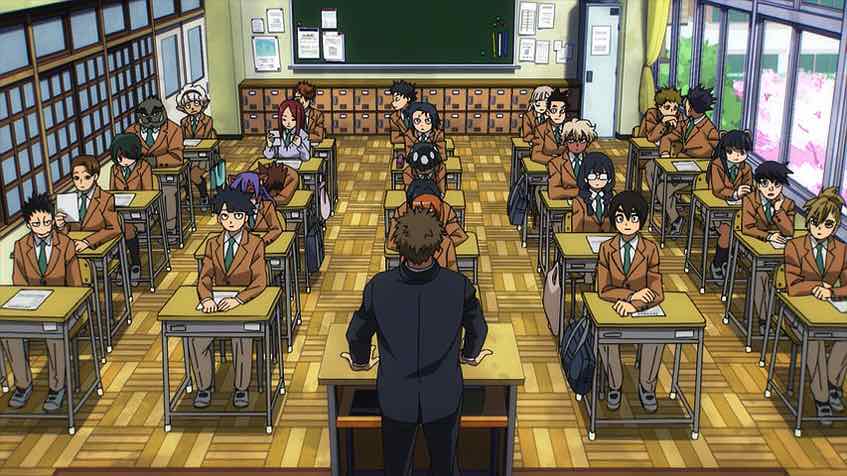
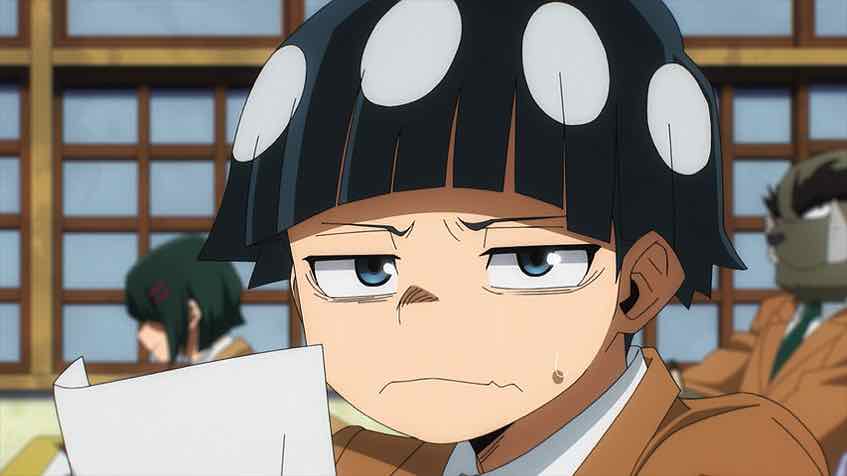
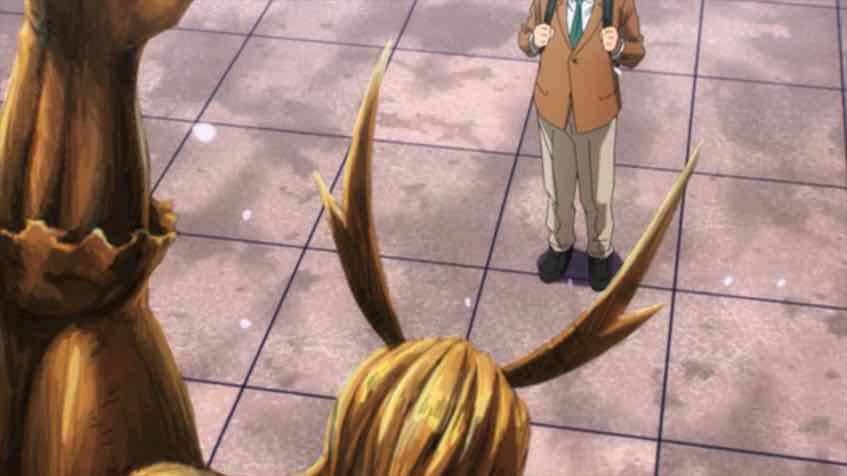
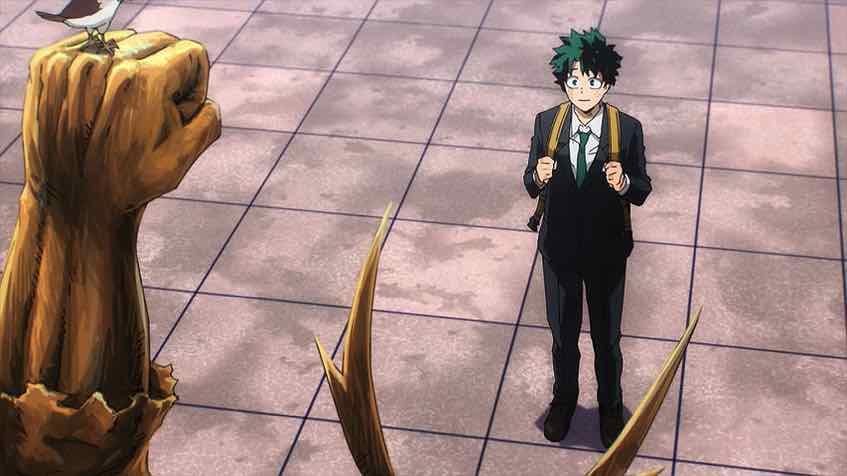
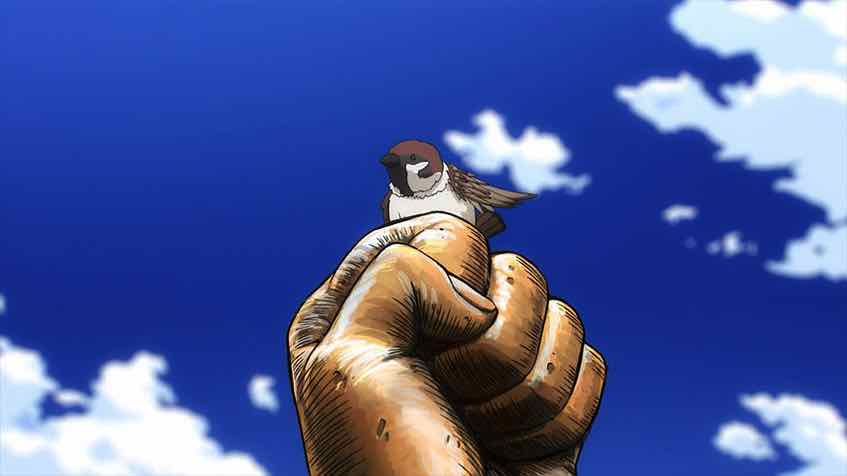
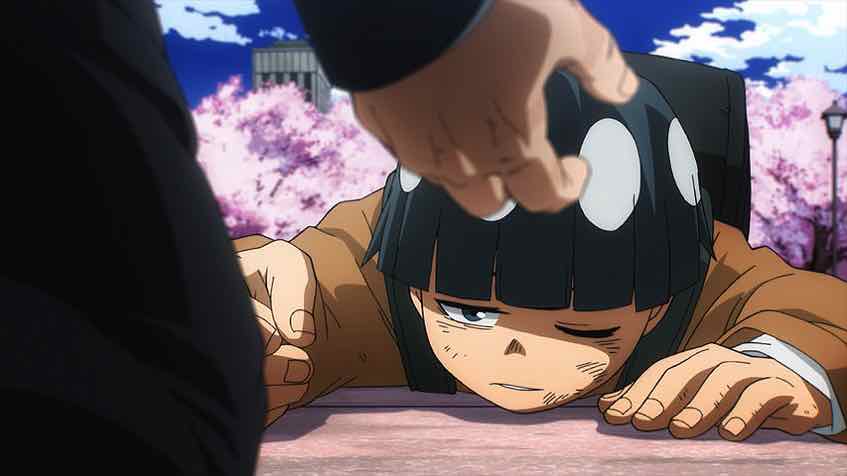
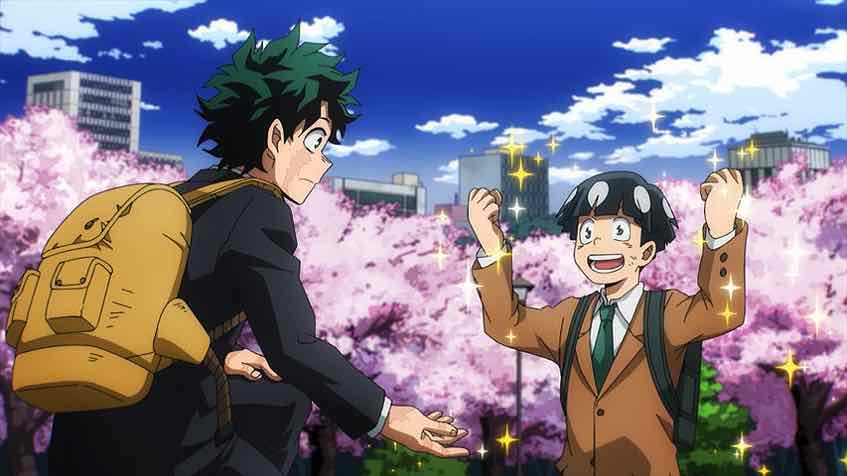
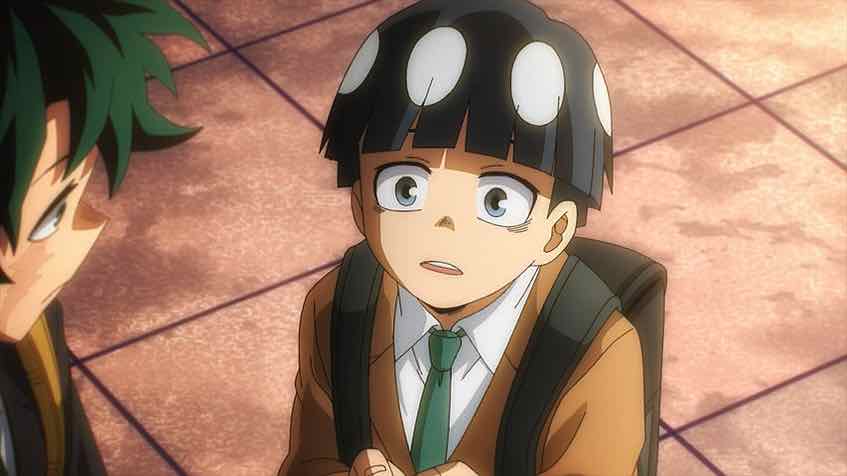
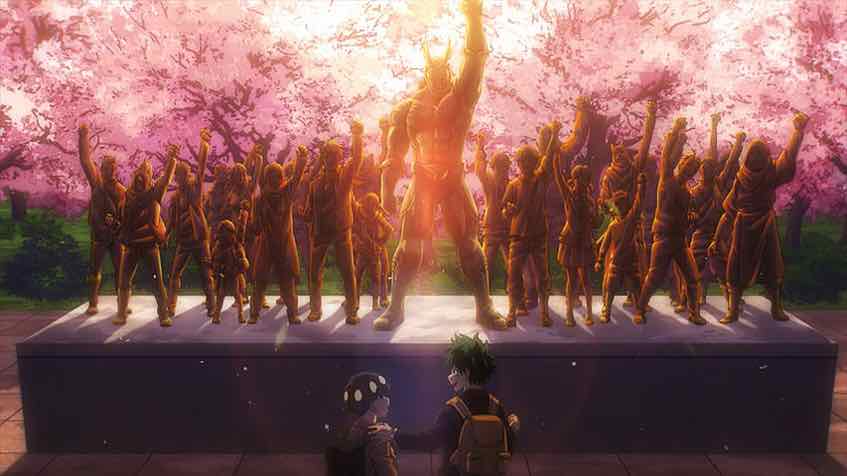
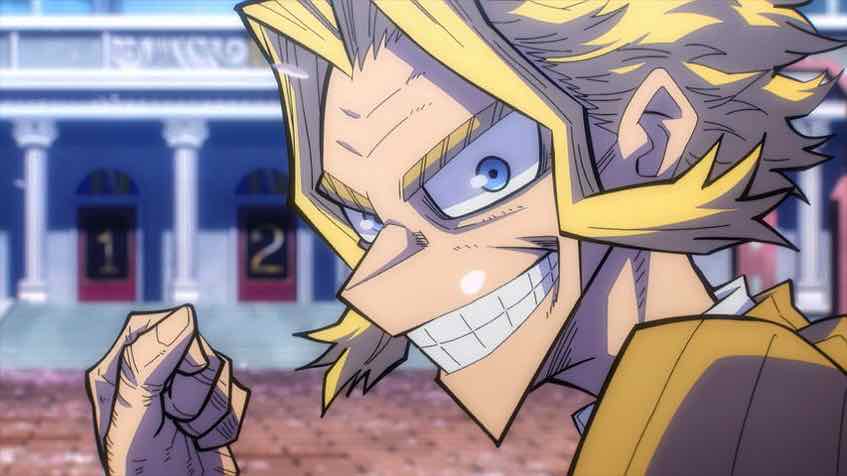
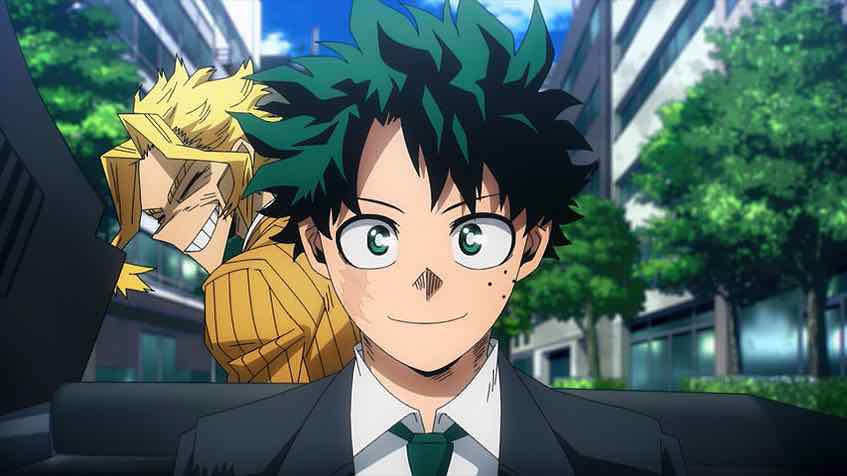
The other important new figure in the finale is Dai (Kugimiya Rie). We briefly meet him pre-timeskip, but it’s as a middle-schooler that he takes center stage. He yearns to be a hero in the old sense – one like All Might, whose statue he frequently visits for inspiration (it’s later rather dramatically revealed to be more than just All Might’s statue now). In a world with crime on the decline and no supervillains his classmates consider that passé, and with his modest quirk Dai seems like an unlikely candidate anyway. But the parallels are too obvious to ignore, and Dai has an encounter with the one who truly inspired him – and does so again (and calls him “Shounen” in the process).
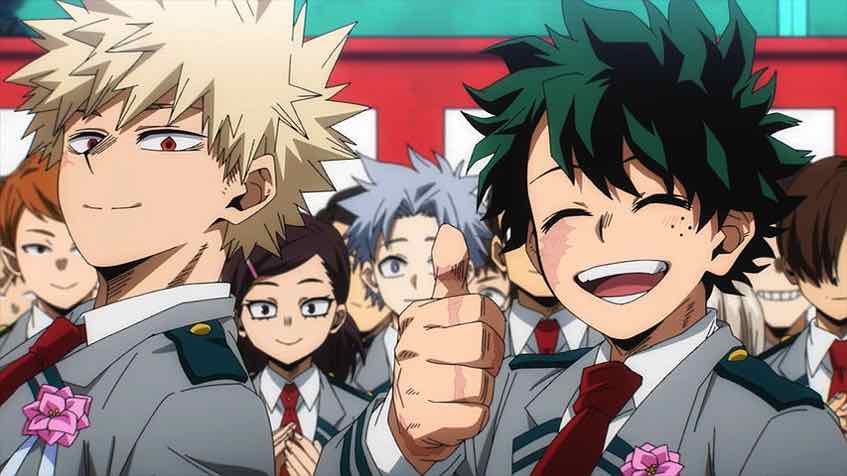
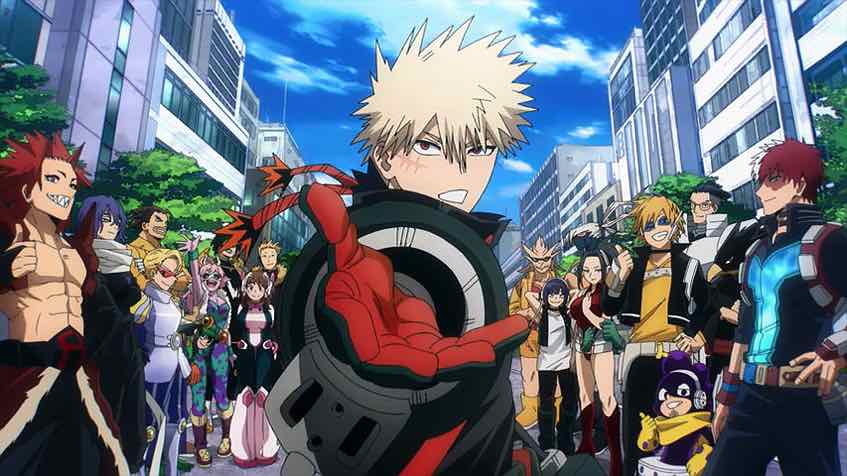
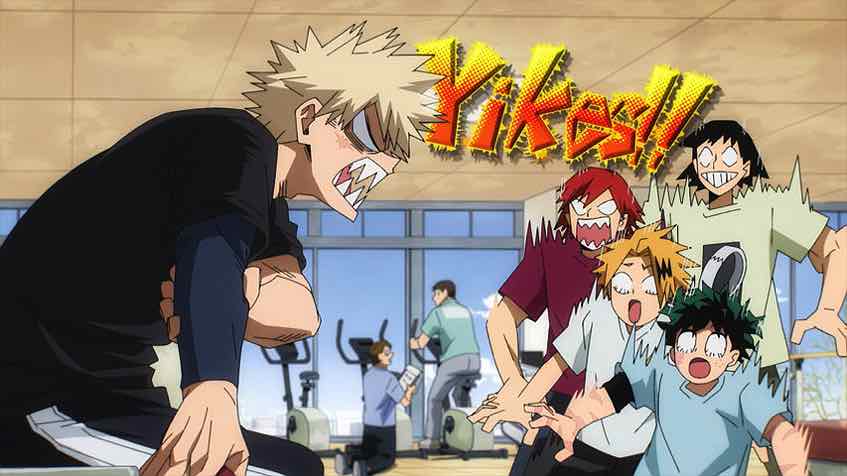
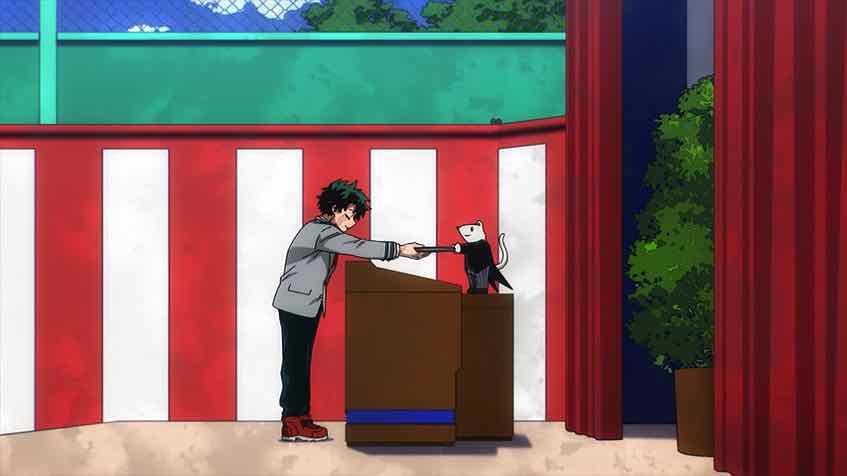
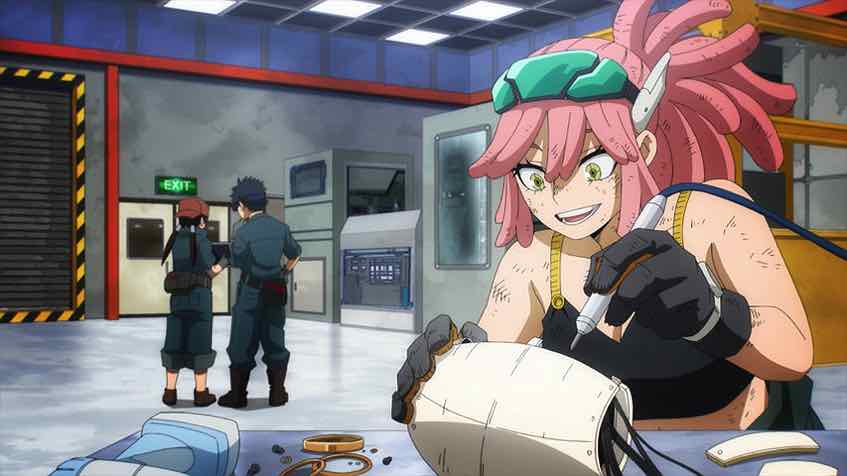
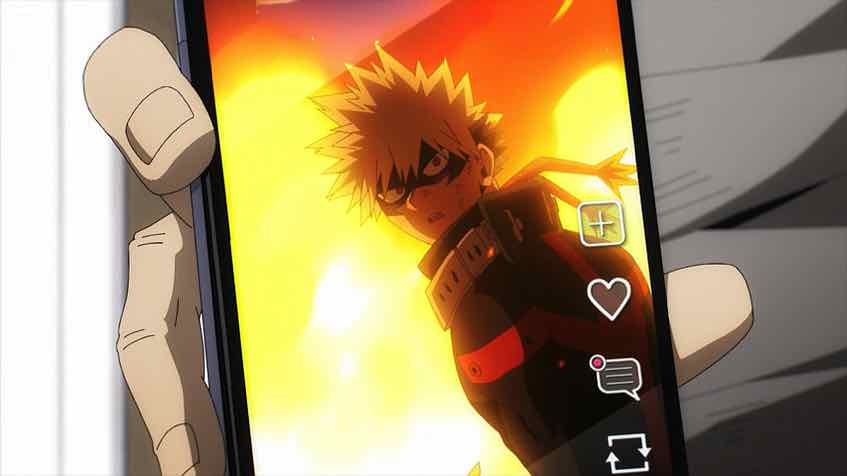
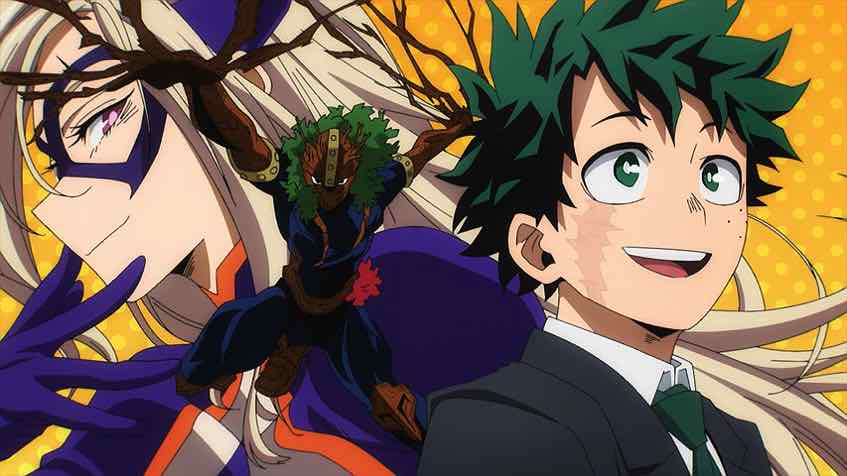
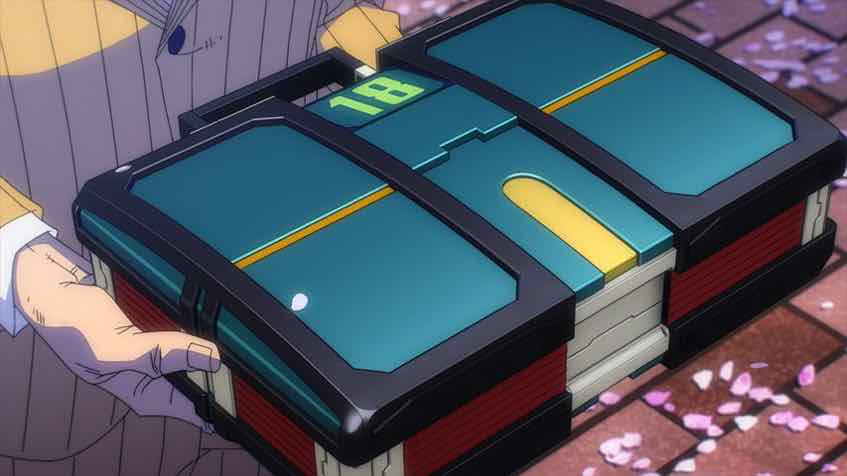
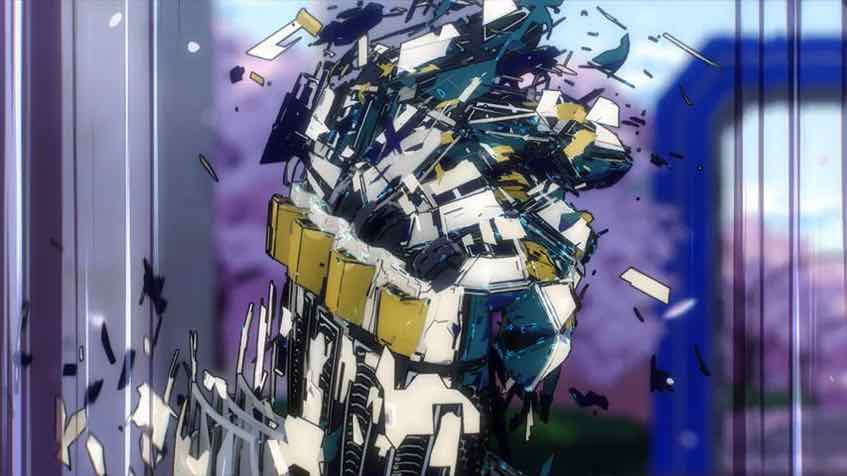
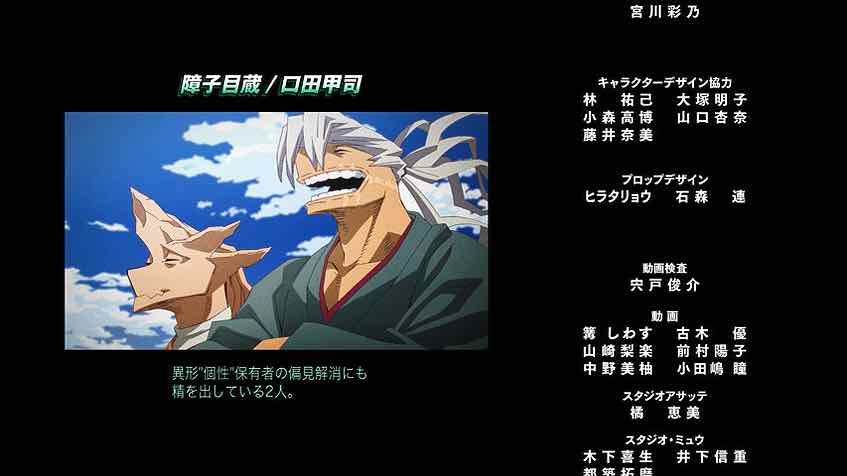
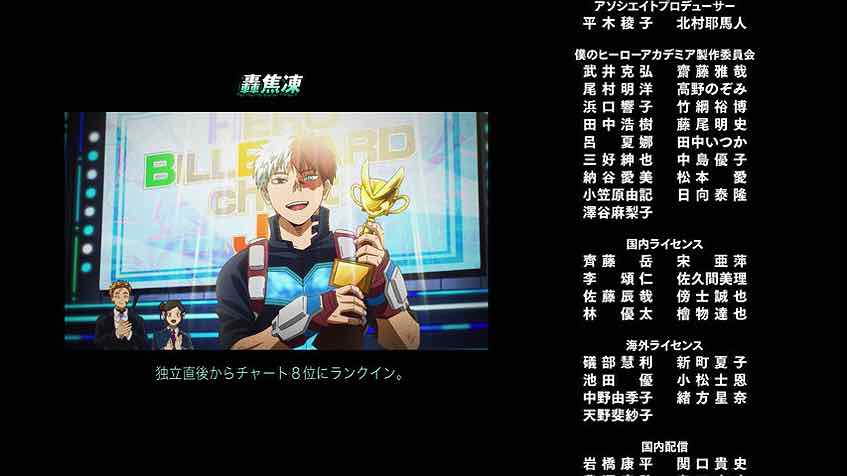
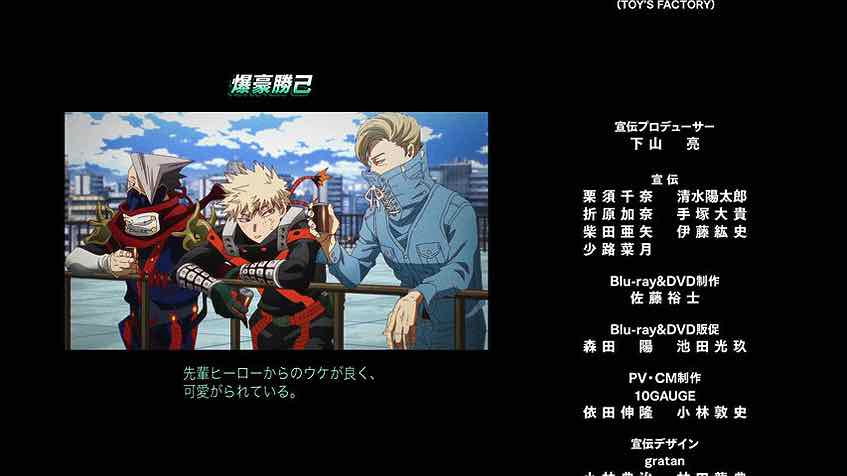
In the end, Togata is the new #1 hero (which always seemed likely). Shouto is a climber, Kacchan is still getting himself into trouble with his temper and his mouth. And Deku is quietly teaching, trying not to think about what might have been. Some might accuse Horikoshi-sensei of trying to have his cake and eat it too with the final twist, but I don’t see it that way. Support items will have come a long way in eight years, and they were pretty good when All Might used them against All For One. And my goodness – if anyone ever earned some support, it’s Deku. His soul has always yearned to fly, and to help people through action. I certainly don’t begrudge him the chance to keep doing that, even if only a little.
It’s awfully hard to try and sum up eight seasons and ten years of a series in a few paragraphs. One can look at numbers – the manga is well over 100 million volumes sold now, easily inside the all-time top 20. It’s certainly in the top 3 all-time in the U.S., though those numbers are harder to quantify. It’s expanded into every medium imaginable, and achieved a global success very few media franchises ever have. When Samu and I called it out as a future kaijuu on a podcast soon after the manga premiered, I’m not sure even we would have predicted it would become as huge as it has.
There are lots of animanga kaijuu, of course. Lots of battle shounen (more than any other genre), lots of Weekly Shounen Jump titles. In my own view some deserve it more than others. But Boku no Hero Academia has 100% earned all that in my view. Flawless? Obviously not – no series of its length is. But it’s one of the best of all-time. Remarkably consistent, and achieving some of the most spectacular epic highs battle shounen has ever seen. It succeeds on so many levels, none more than as a Japanese reimagining of the American superhero mythology. And it’s just plain entertaining as hell.
A big takeaway for me, though, is just how positive HeroAca is in the end. It’s a resolutely humanistic series. It consistently advocates for tolerance and understanding and decries the kind of xenophobia and vengeance-worship that can infect so many big shounen titles. Horikoshi always, pretty much without exception, shows us what sort of people his villains are. Sometimes an awful sort, but we understand what drives them. It’s a story where very little comes easily to those that fight for justice – they have to earn everything they get. They suffer, they sacrifice. But in the end, they accept that as part of the definition of heroism.
I’ve spoken in the past about how negative the BnHA fanbase usually is. That, frankly, has been the least pleasant part of the franchise’s story over the past decade. But it’s also why the overwhelmingly positive reaction the final season has received is so gratifying. Bones has tweaked here and there, but they’ve largely delivered the final arc as it was written in the manga. Maybe anime viewers are more positive than manga readers (though earlier seasons have received plenty of bitching), perhaps time has caused fans to reflect on just how great this series is. But whatever the case, it’s nice to see Boku no Hero Academia end on the wave of adulation it richly deserves.
Now the mantle passes to Vigilante, which carries on the franchise’s story in anime form in admirable fashion. And the HeroAca journey on LiA comes to an end, with more posts than any other show and more appearances in the year-end top 10 lists. It’s hard to believe it’s over – that there won’t be another episode next week, another season next year. I’m grateful to have had the opportunity to share my thoughts on this wonderful and important icon of shounen, and I look forward to seeing where Horikoshi Kouhei’s career takes him next.
The post Boku no Hero Academia: Final Season – 11 (End) and Series Review appeared first on Lost in Anime.